
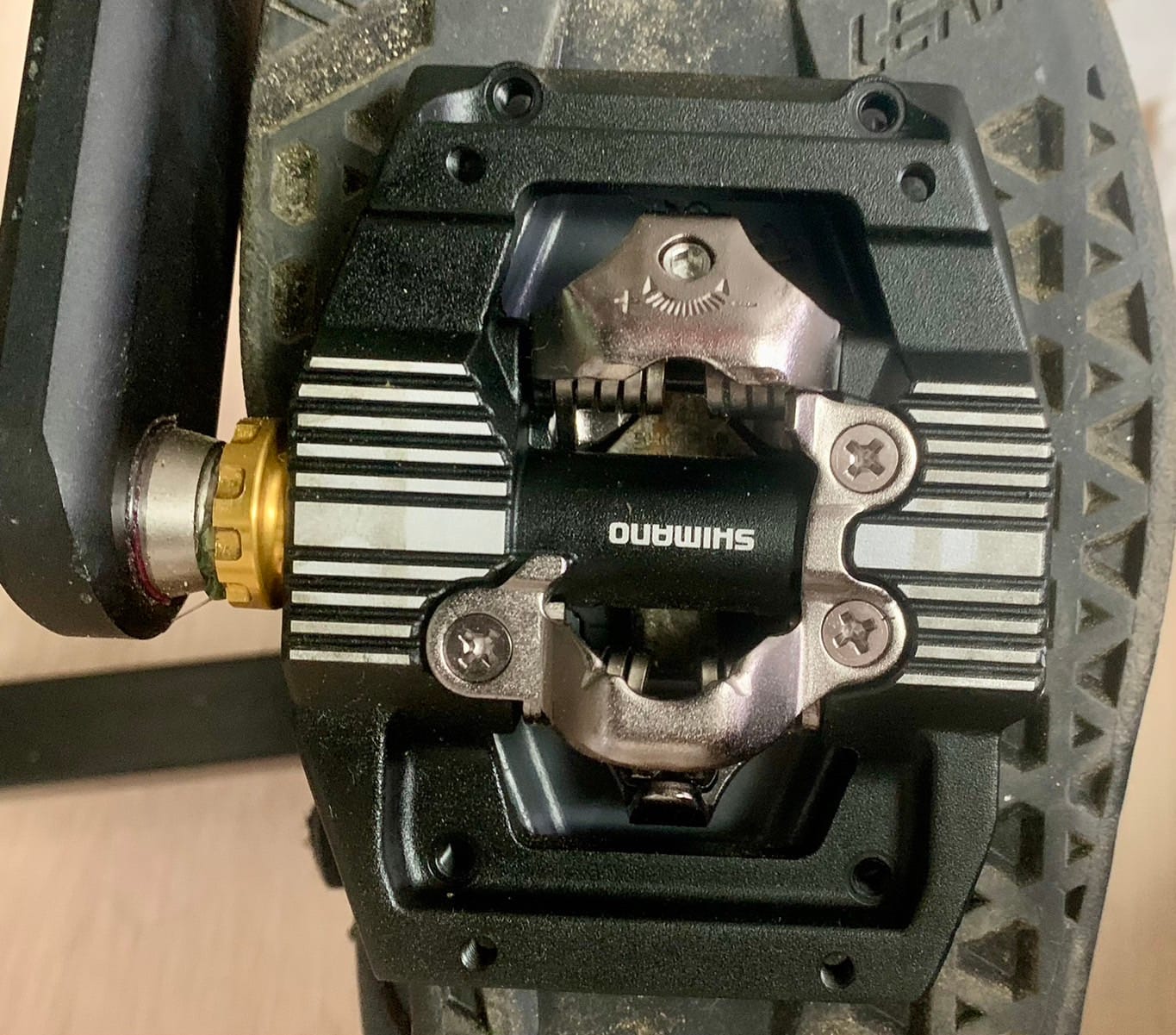
Cleat pedals come in a variety of shapes. Cleat pedals and shoes are sometimes well-matched, and sometimes they are not.
If the cleat pedals and shoes do not match well, your feet may unintentionally separate from the pedals and cause you to fall.
There are various types of cleat pedals, but since I mainly use Shimano’s cleat pedals, let’s find out the types of Shimano’s clip pedals and their pros and cons, and find out which pedal is right for you.
And no matter how hard you try to find the cause, we will also give you tips to solve knee pain caused by the wrong combination of pedals and shoes.
한국어 : (Link) / english : (Link)
Table of Contents
Types of Cleat Pedal
Mountain Bike Pedals (SPD)
SPD products are for mountain bike use. These products are divided according to whether there is only a part where the cleat is joined or whether there is a cage (rim).
Mountain bike pedals without a cage
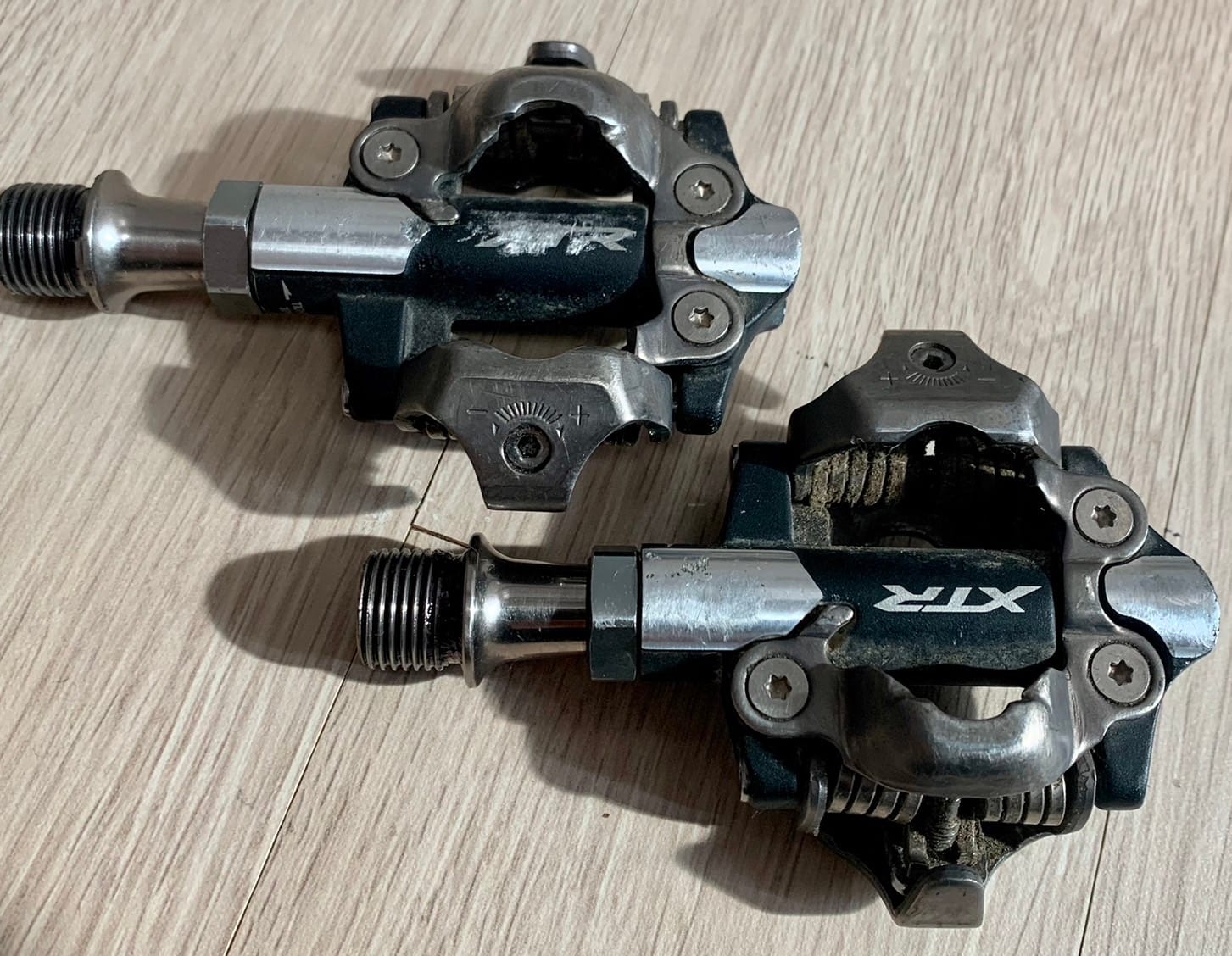
SPD without a cage is a type with only cleat fixing parts.
Although the foot rests on the axis of the pedal, only a very narrow area is supported, and all power is transmitted to the cleat fastening area.
Mountain bike pedals with cage
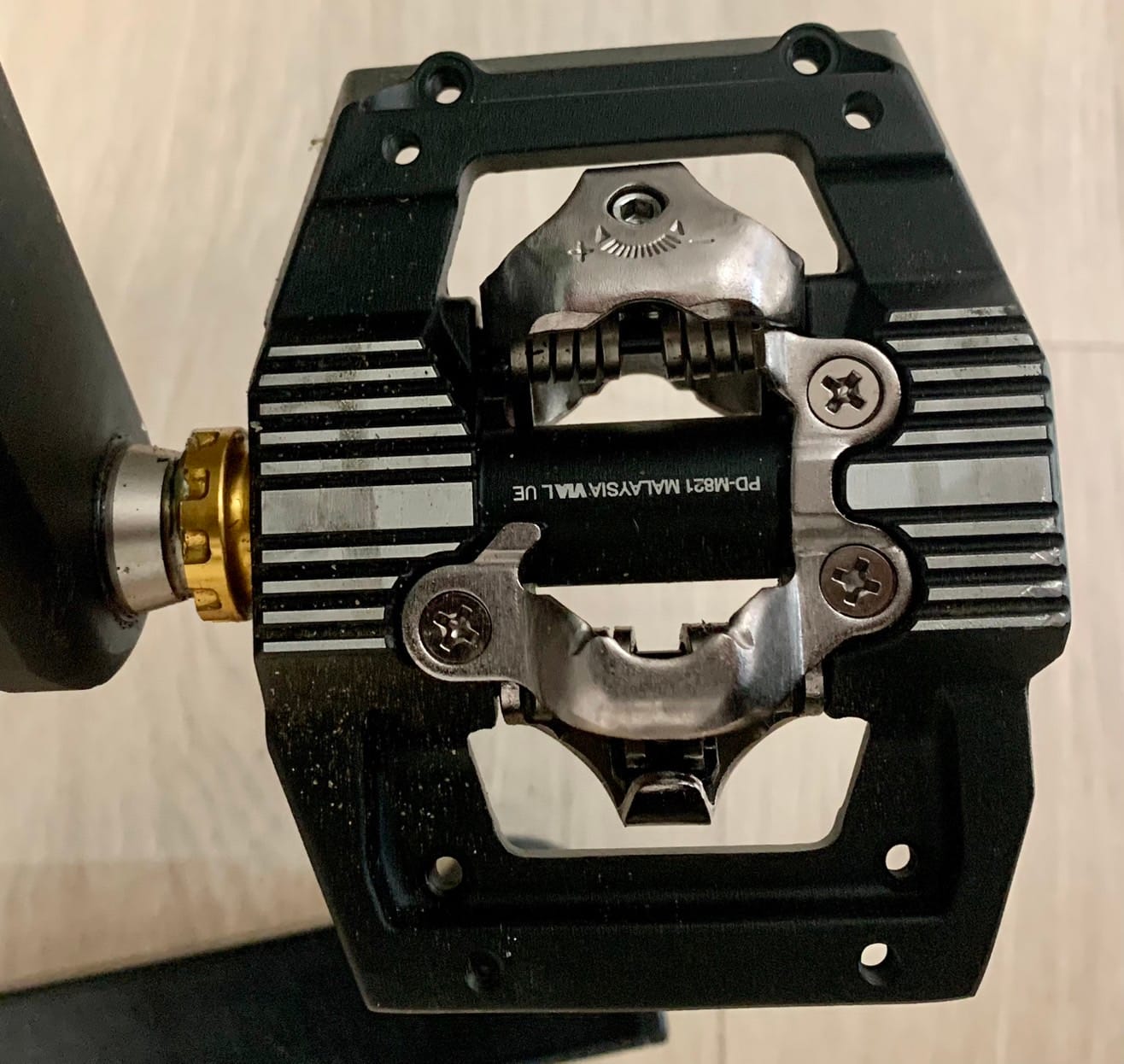
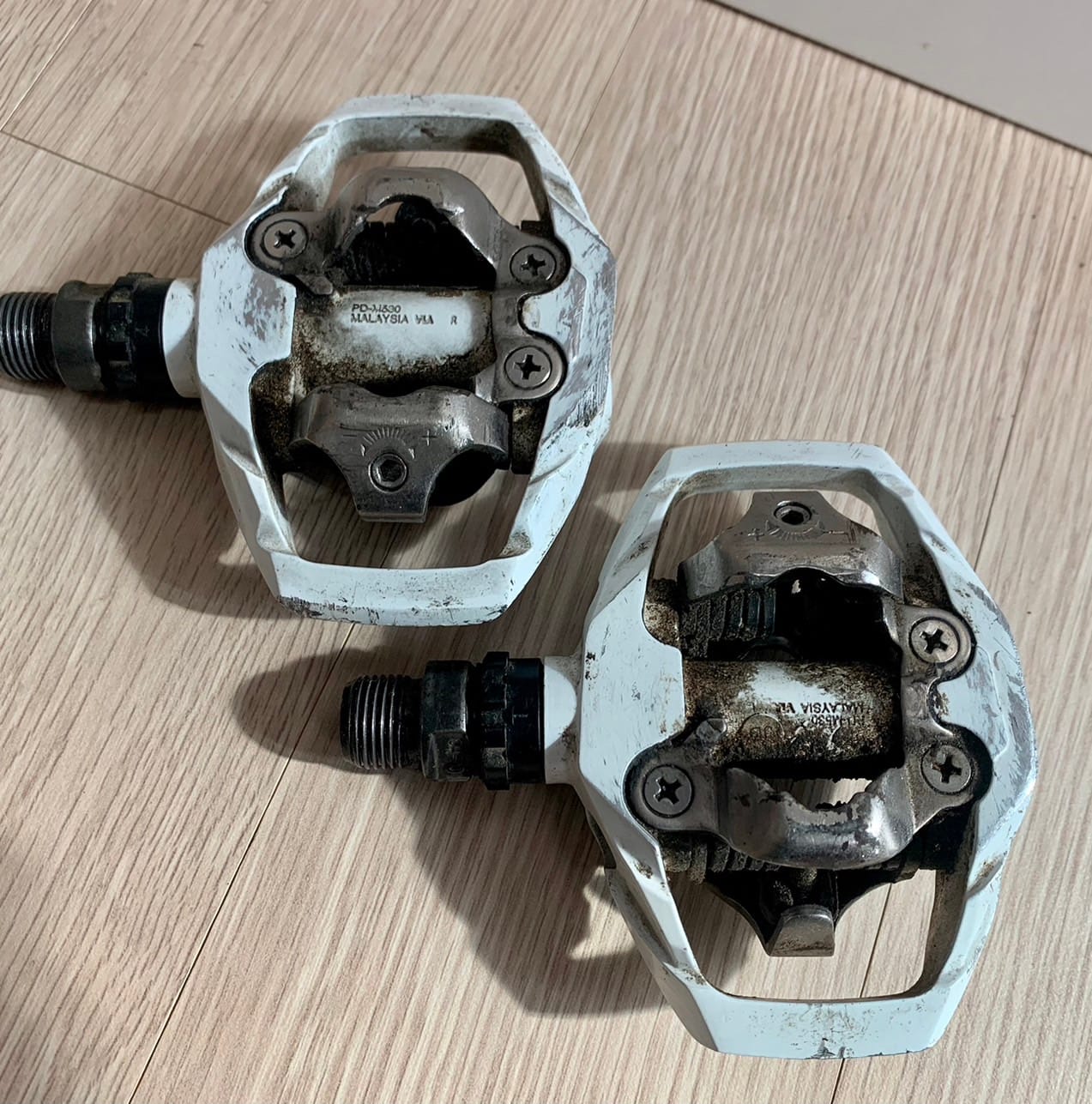
SPD pedals with cages have a rim around the cleat anchorage.
This rim serves both to protect the cleat mechanism and to support the foot.
Pedals with cleats on one side only
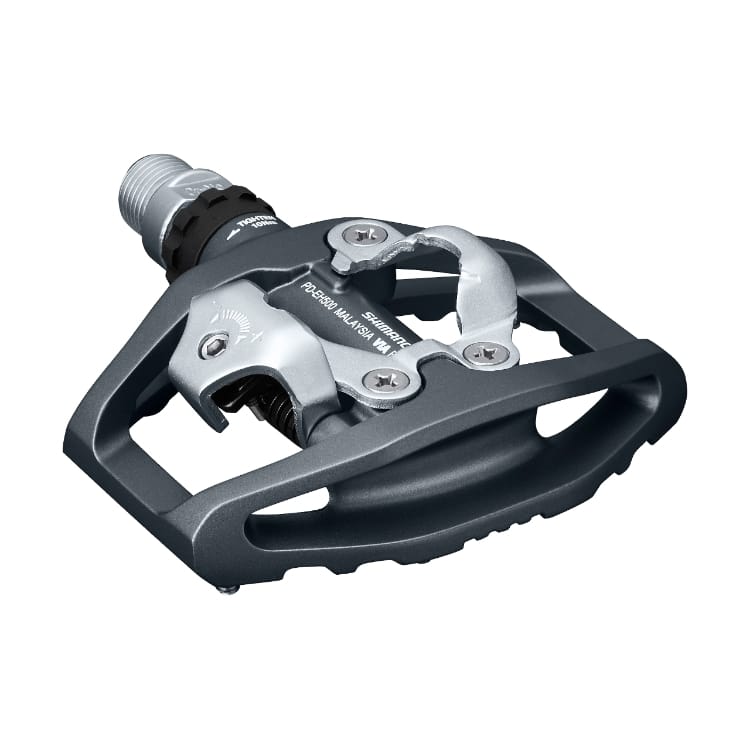
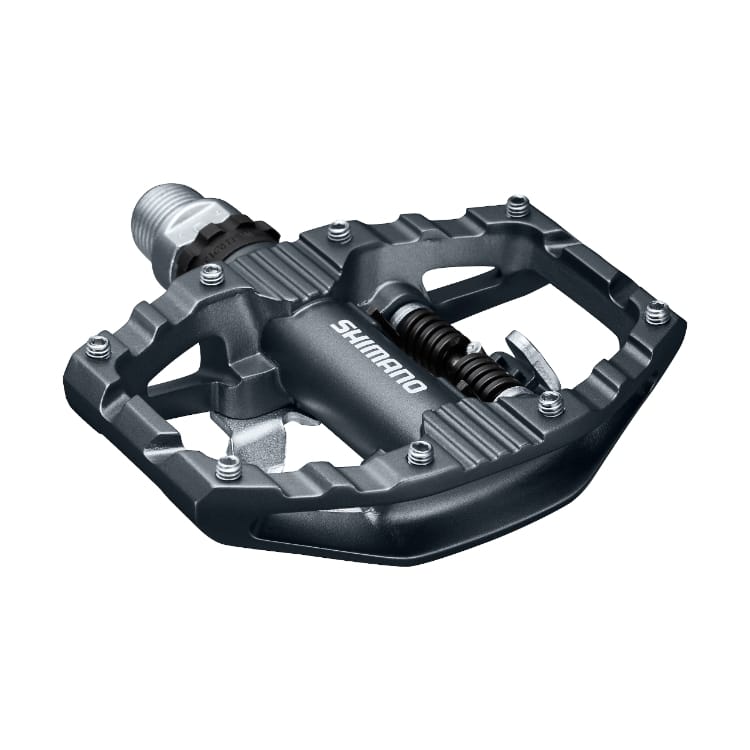
image source : (Link)
These pedals have a cleat on one side and a flat pedal on the other. I usually don’t use it very well.
It is a pedal used by people who like to travel.
Road Bike Pedals (SPD-SL)
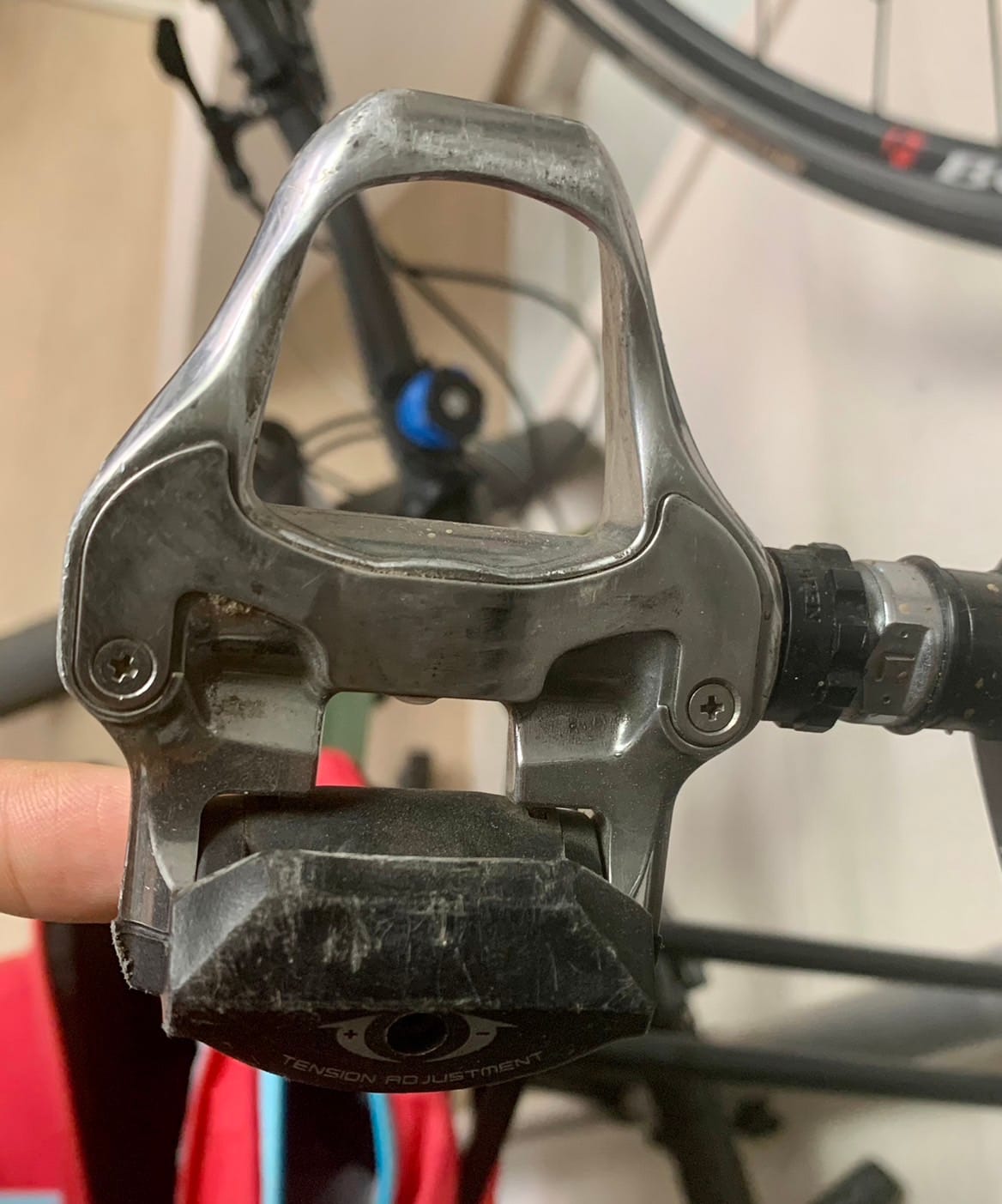
Cleat pedals for road bikes are called “SPD-SL”.
This form is only classified according to product grade.
These pedals for road bikes have cleat engagement on one side only.
Advantages and disadvantages of different types of cleat pedals
In this article, we’ll break it down into three categories: “mountain use without a cage” / “mountain use with a cage” / “road bike use”.
Cageless Mountain Cleat Pedal
Cage-less cleat pedals are designed for mountain racing. It’s called “XC bike”.
“XC” is an abbreviation for the word “CrossCountry”.
The biggest advantage is that it is light.
And because there is no rim, the pedals will reach when the bike is tilted too much in cornering, but you can pedal when the bike is slightly tilted.
The downside is that the part that supports the foot is too narrow, so the power is gathered in one place, and depending on whether the cleat is set outside or inside the foot, the feeling of power transmission and the feeling of the ankle and knee change.
Mountain Cleat Pedal with Cage
Mountain cleat pedals with cages are heavy.
Some people mistakenly believe that pedals can be pedaled with normal shoes. These pedals cannot be pedaled with normal shoes.
The beauty of these pedals is that they provide a very wide area of support for the foot, as long as they fit well with the shoe.
It brings the advantages of flat pedals.
Of course, among cleat pedals with cages, there are pedals with large cages, and there are also pedals with narrow cages.
Cleat pedal for road bike
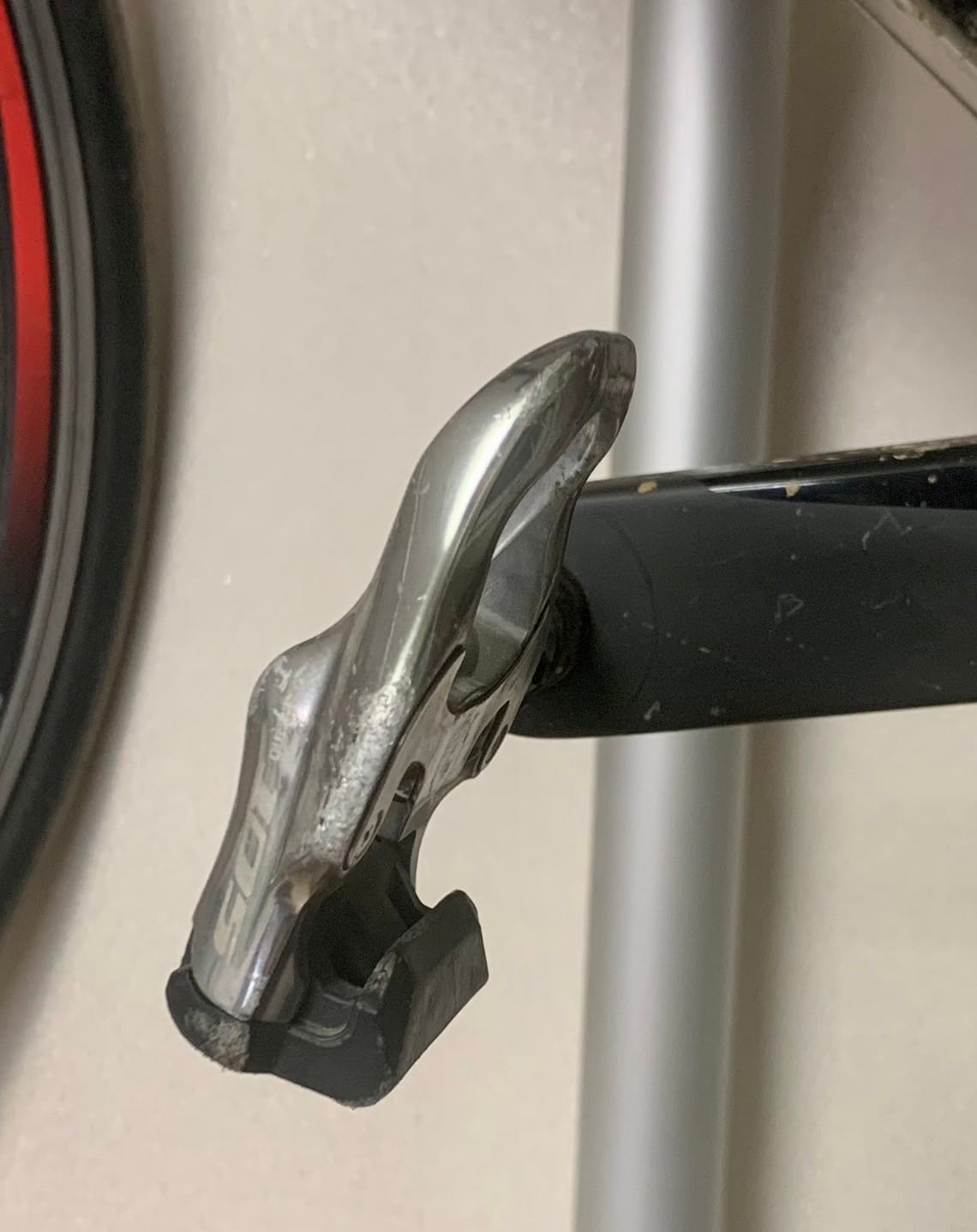
Road bike pedals are the lightest. And the probability of the pedal hitting the ground is minimal.
However, it is not easy to fasten because the cleat fastening part is only on one side.
They say it’s easy once you get used to it, but maybe it’s because I mainly ride mountain bikes, so I’m not used to road cleats.
I don’t use these pedals in the mountains. In the mountains, situations where you need to engage the cleats very quickly often occur, so this type is not suitable.
The biggest advantage of road bike cleat pedals is the wide shape of the cleat.
Because of this wide shape, there is no wiggling of the foot. If the foot swings in the direction of rotation, the rotational play can be adjusted by selecting the cleat, but it is better not to have the left or right tilt of the foot on a road bike.
Cleat pedal and shoe compatibility
It’s time to tell you the most important thing in this post.
There is a saying that the first time you try the cleat pedal, you must fall 3 times.
However, some adapt very easily and never fall. What could be different?
Since the compatibility with shoes is different, it is good to consider your own agility, flexibility, and muscle strength.
First, let’s check the cleats and pedals for road bikes.
Compatibility with road bike cleats
Road bike cleats don’t have to match your shoes.
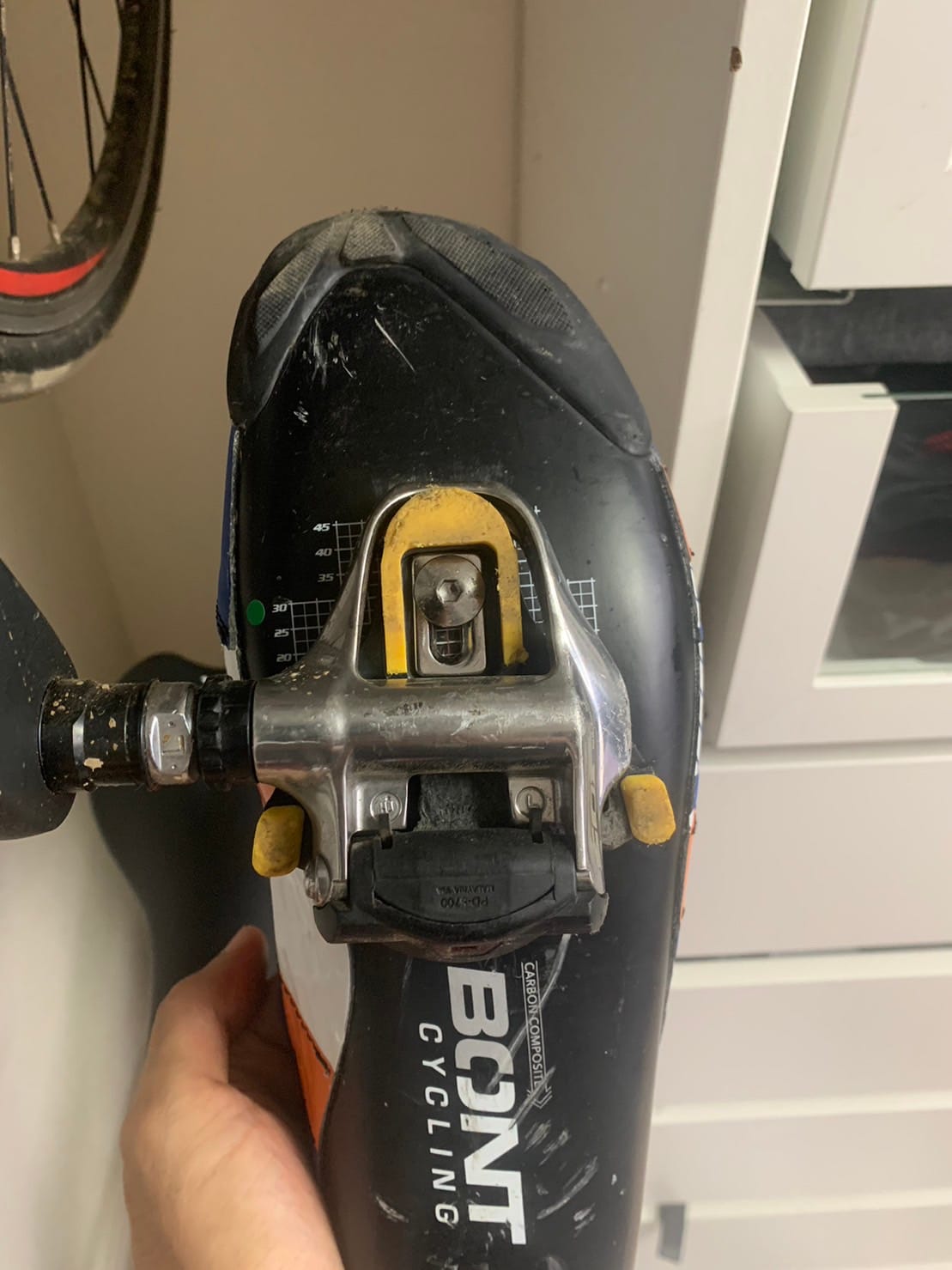
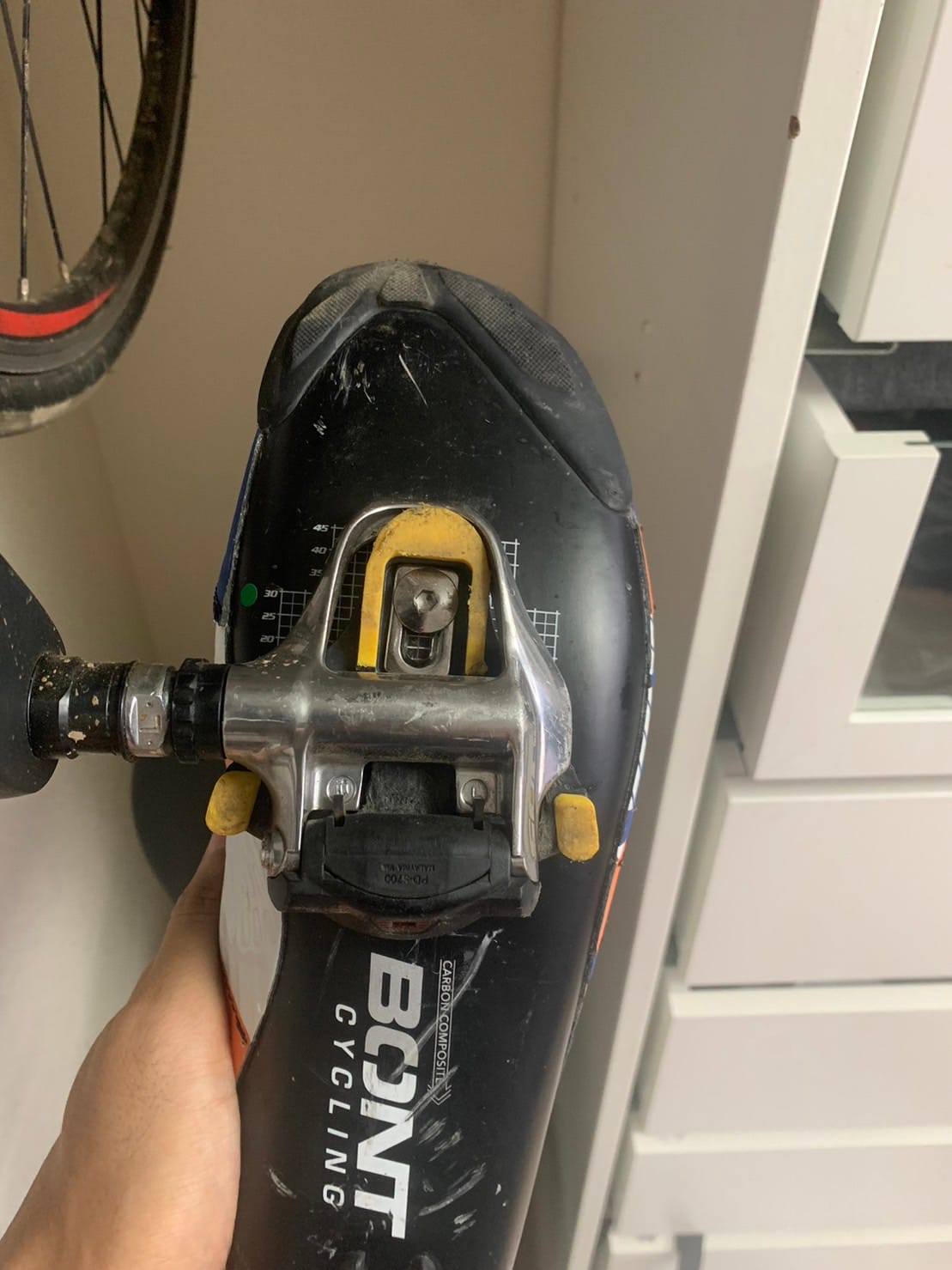
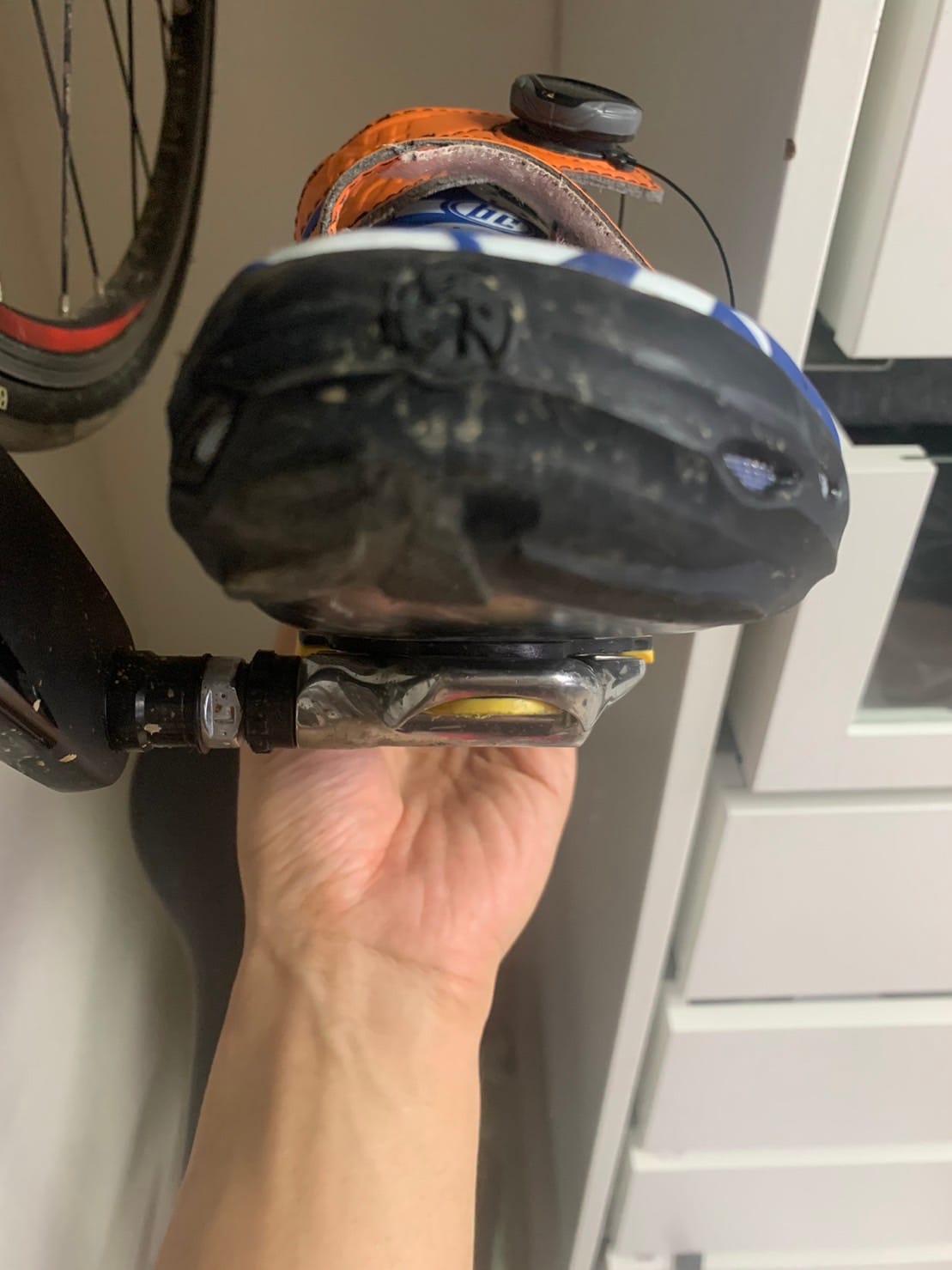
Road bike cleat pedals hold only road bike cleats.
Therefore, if the soles of your feet lean to one side, you can use the “Wedge” to adjust them.
And if you want to adjust the rotation angle of your feet, you can turn the cleat.
You can use yellow cleats if you want to give them enough rotation, and red cleats if you want no rotation.
So, for road bikes, you just need to consider the shoes that fit you well.
Cleat pedals and shoes don’t really matter.
A combination that would be good for mountain bike cleat pedal beginners to choose
If you are new to cleat pedals, it is important that the cleats release well as intended.
This condition can be defined as a poor fit between the cleat pedal and the shoe, but if you are not familiar with the clip pedal, this condition is helpful.
In this case, only the fastening part of the cleat pedal is connected to the shoe. This is the case below.
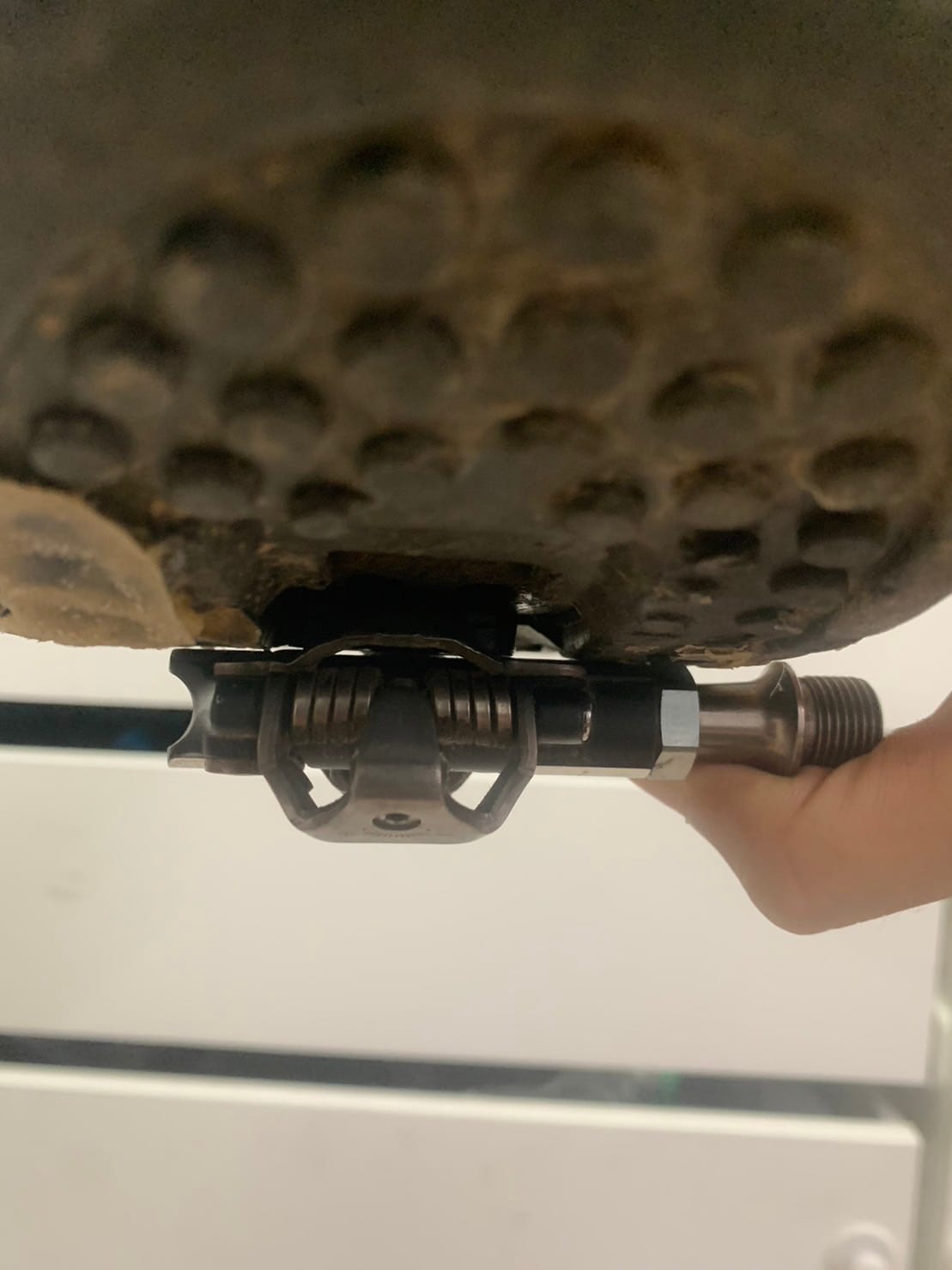
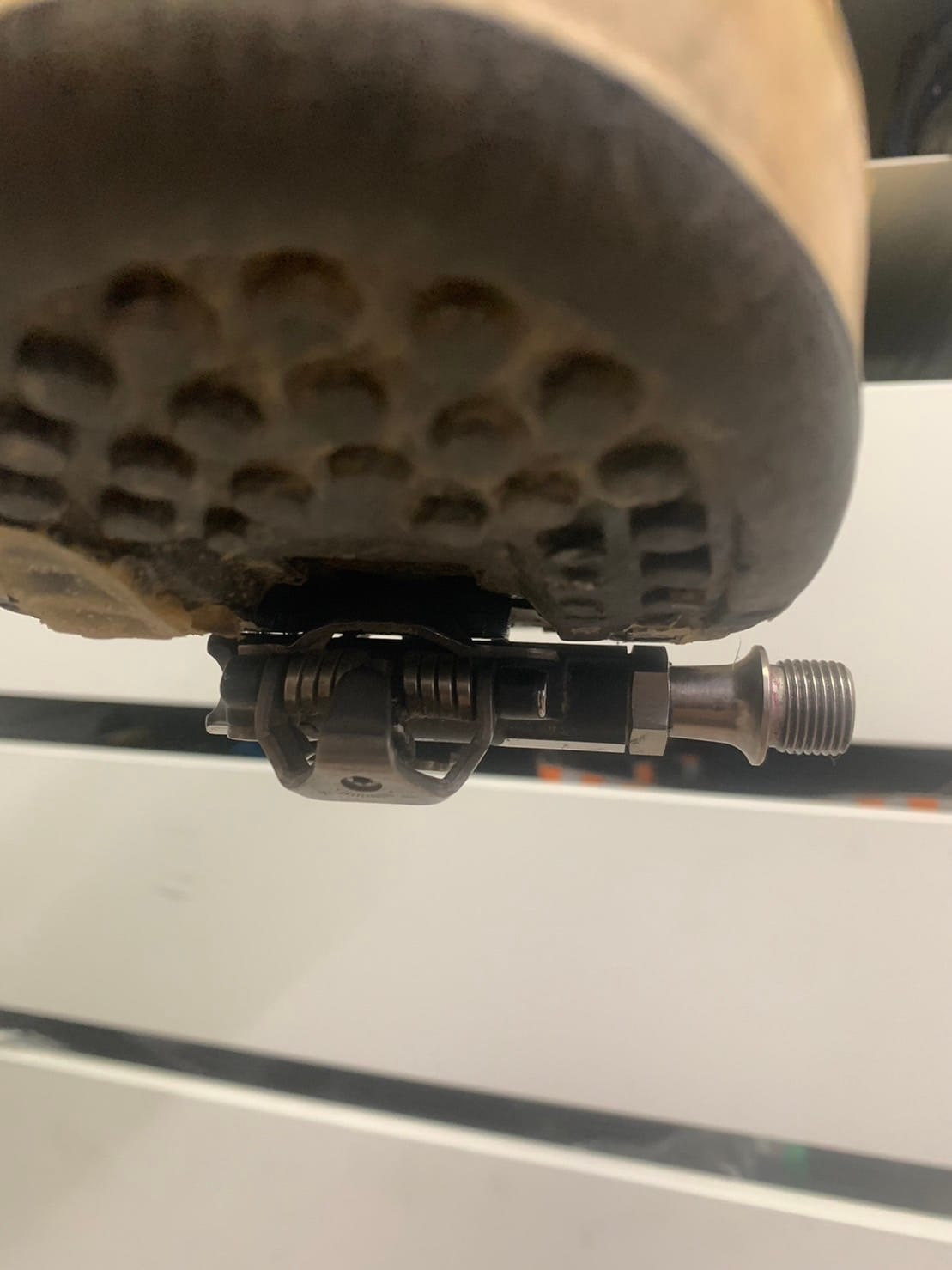
Even if you look at it like this, if you see a gap on the left and right sides of the pedal, you will feel that only the center part of the cleat pedal is connected to your feet when you actually ride.
These types of gaps or very little contact between the inside and outside of the pedal make it very easy to release your foot from the cleat pedal. This is because there is no friction other than the small friction of the metal part of the cleat.
A good combination for users who want more firm support and are accustomed to removing cleats
After you get used to riding a bike while riding, you don’t have the courage to bunny hop, but you try pulling up the bike with the pedals and hopping. At such times, you may experience the pedal falling out.
And while going downhill, there are times when the shoes get separated from the pedals at the moment when they shouldn’t come off, which can be very dangerous.
In this case, it is best if the cleat is very firmly engaged with the foot.
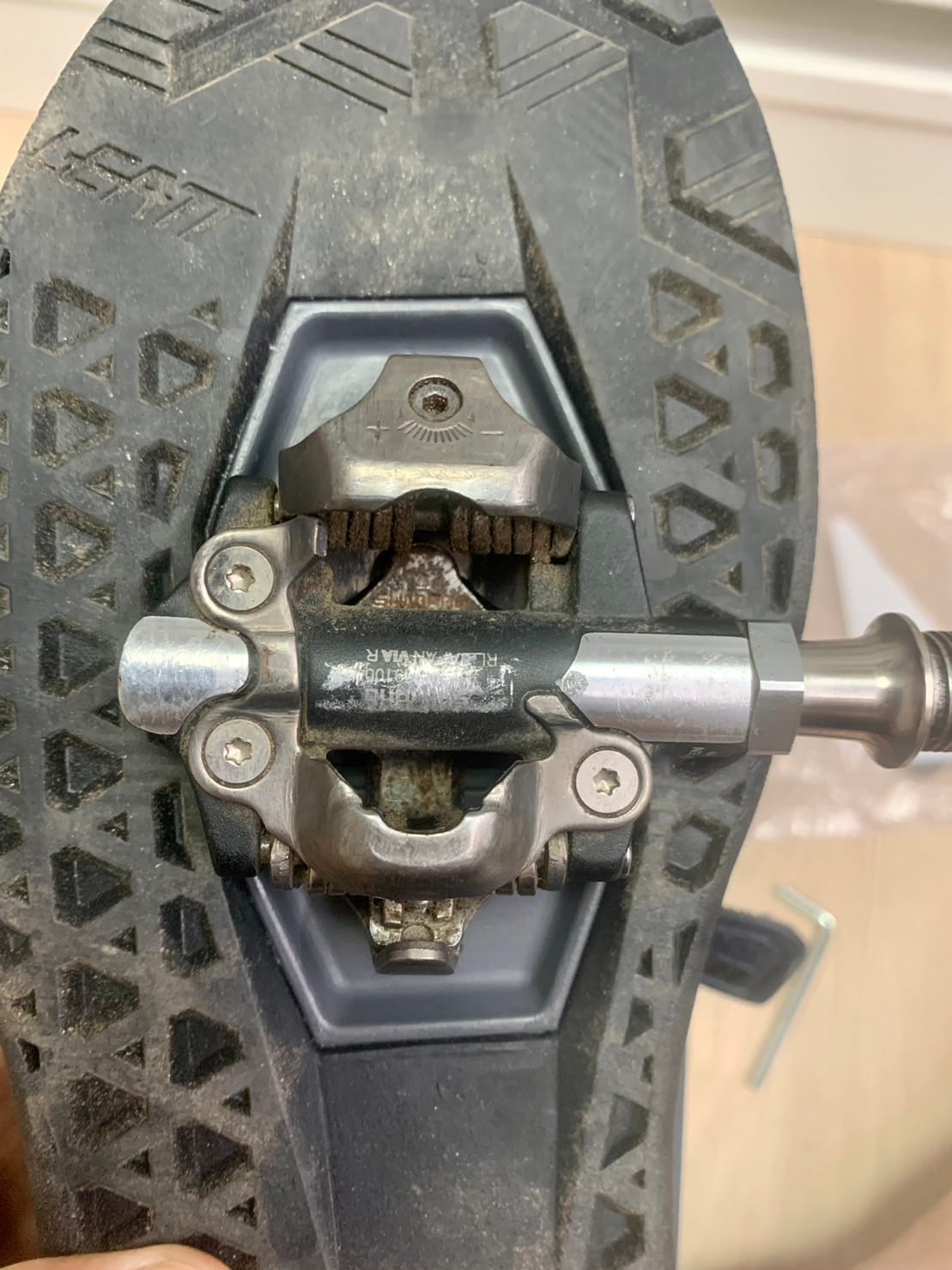
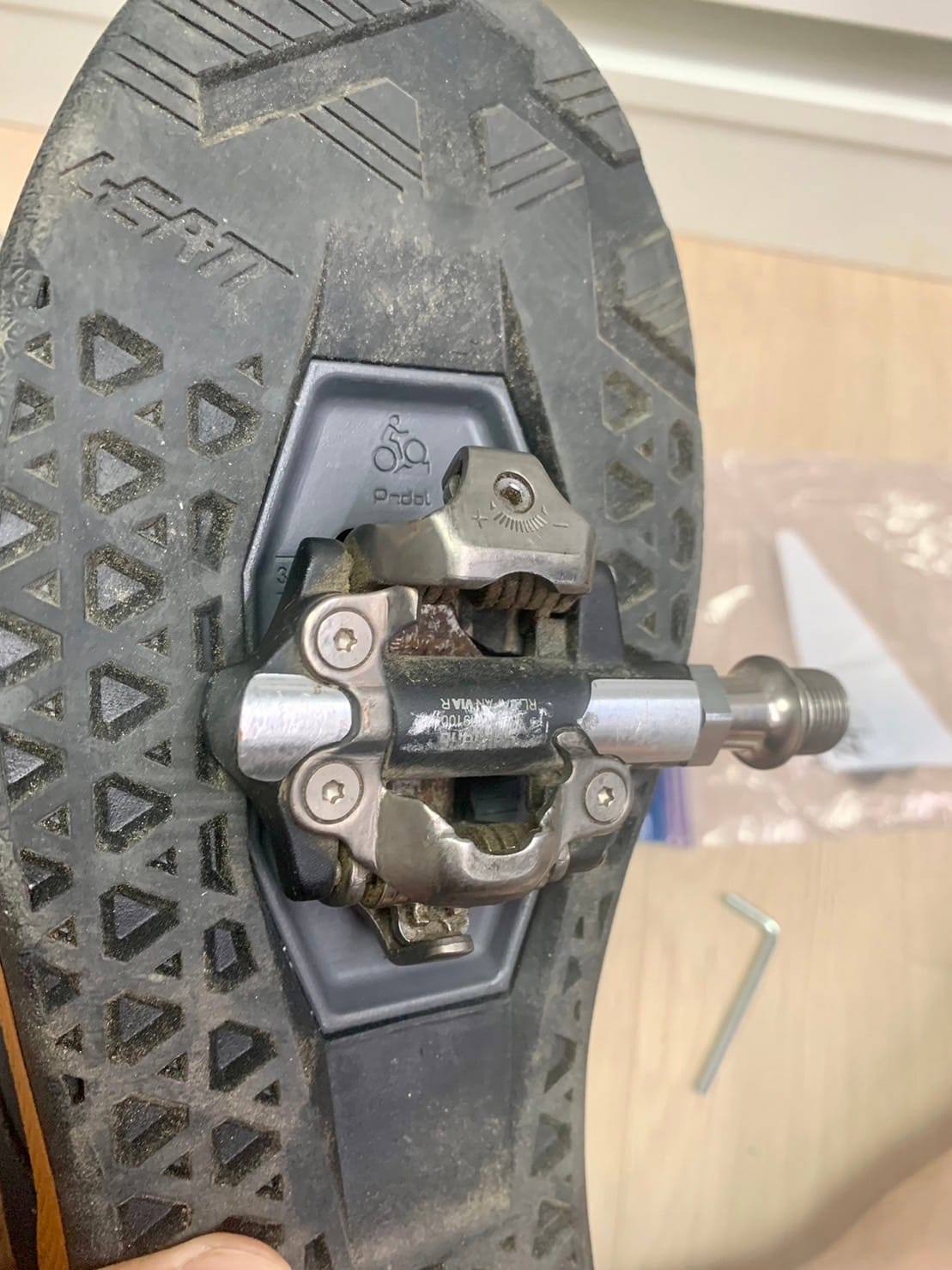
If you look at the image above, you can see that a very narrow area of the pedal is in contact with the shoe.
If this happens, even if you do not try to remove your foot, it will easily come off if your foot turns even slightly.
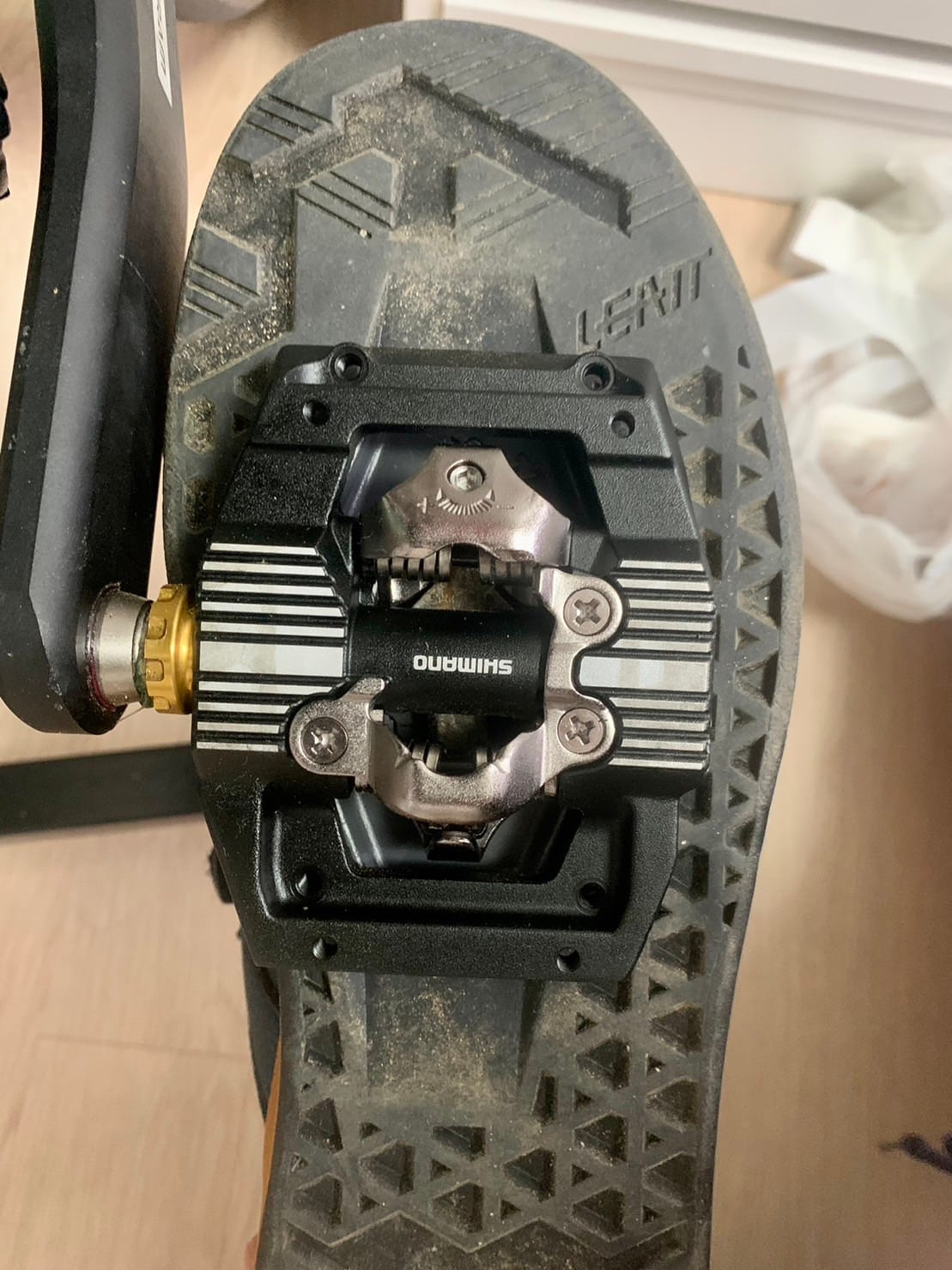
This very wide area of foot support gives your foot a very solid connection to the pedal.
However, this type of shape may not easily fall out when you try to take your foot out.
We recommend that you use it after getting used to the cleat pedal.
And the advantage of caged pedals this wide is that the sole of the shoe rests flat against the pedals.
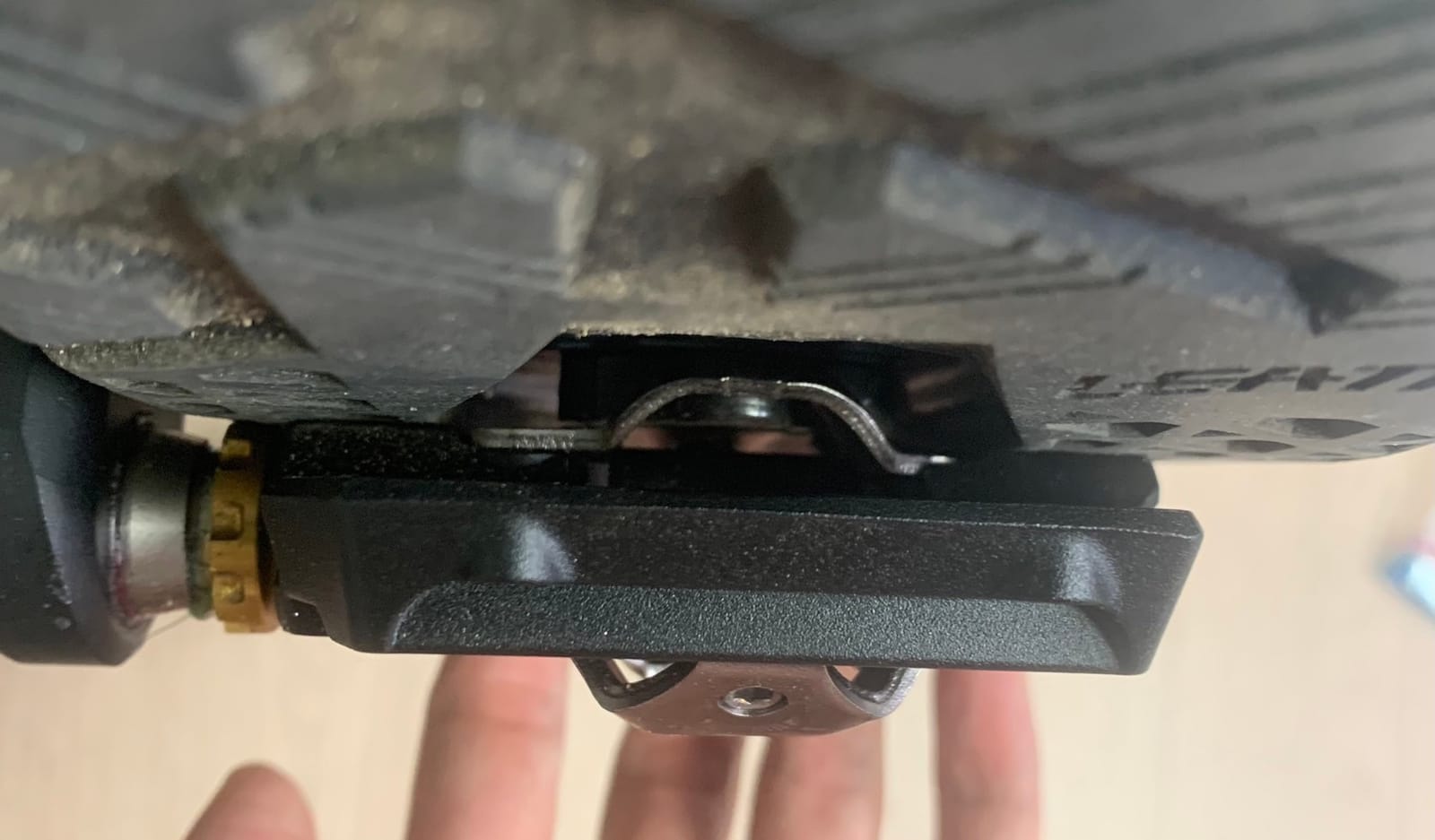
When the cleat pedals and shoes are well matched, the feet are level with the pedals, and the feet fixed horizontally increase ankle and knee stability.
Conversely, if the foot is attached only to the central part of the pedal and there is play on the outside and inside of the foot, the compatibility between the clip pedal and the shoe does not match well, and the foot tilts inward or outward depending on the direction of force.
This tilting of the sole of the foot can cause pain in the knee.
conclusion
Many people mostly use cageless cleat pedals.
However, cleat pedals with cages increase foot stability and prevent the knee from swinging from side to side when pedaling.
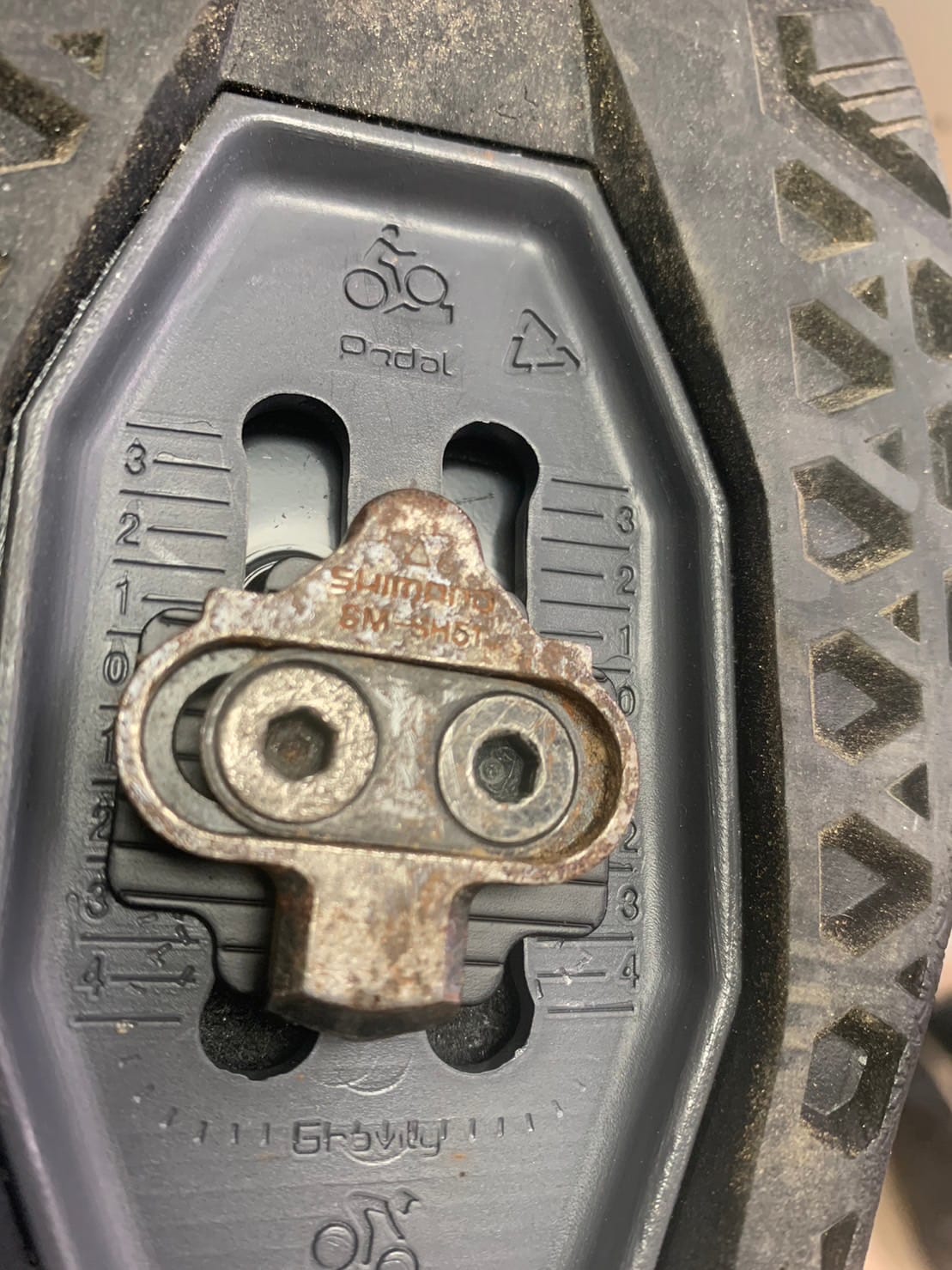
In the case of shoes where the cleats are more recessed than the soles of the shoes, you may experience that the cleats do not fit well.
In that case, you can make the cleat protrude a little more by using a spacer inserted between the cleat and the shoe as shown in this image.
If you use it with the spacer inserted like this and the bottom of the shoe wears out and only the cleat touches and the bottom of the shoe does not touch the cage well, you can remove the spacer.
If you think about it, it seems that mountain bike cleat pedals are more difficult than road cleats.
If it is more important for the cleat to come off easily at the beginning, a setting that tilts left and right is better for getting your foot off the cleat pedal. A spacer is also a good idea.
If you’re used to removing the cleats and want to avoid getting into situations where you weren’t meant to be, try using cleat pedals with cages.
Or, if your knees hurt or your feet roll sideways, try pedals with cages.
If you are riding a bicycle and your knee pain is not resolved, and even after getting a fitting, it would be nice to check whether the soles of your feet are tilted.
For reference, it would be nice to refer to the link below for the lineup and model number of all pedal types. “Shimano pedal lineup” (Link)